
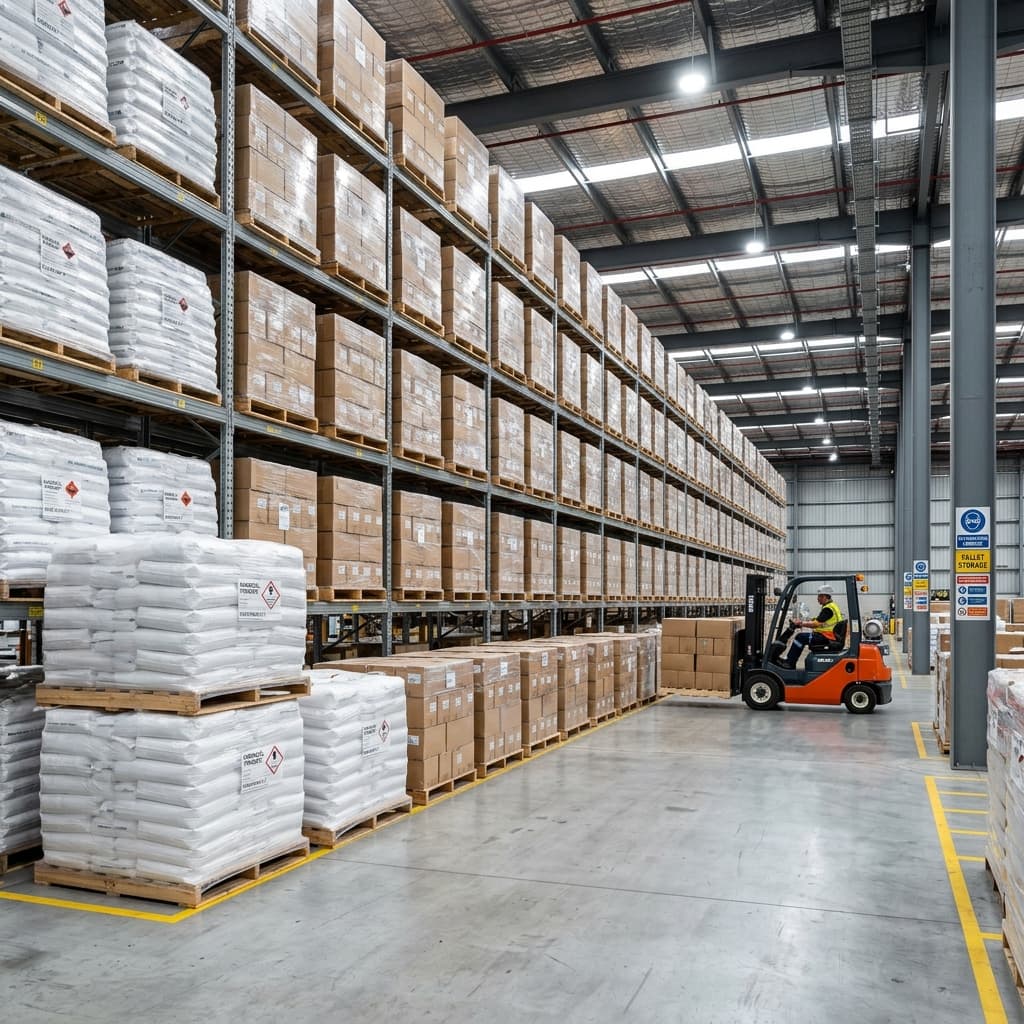
Understanding camphor pricing is essential for procurement managers, importers, and distributors who purchase camphor regularly. Unlike many finished goods, camphor is a commodity-linked chemical product whose price can fluctuate 15–30% in a single year based on raw material dynamics, production cycles, and market demand.
Camphor Price Benchmarks by Grade (2025)
| Grade | Purity | Approx. FOB Price (USD/MT) | Application |
|---|---|---|---|
| Technical Grade | ≥95% GC | USD 1,200–1,500/MT | General industrial use |
| Industrial Grade | ≥98% GC | USD 1,400–1,800/MT | Plasticizer, chemicals |
| Commercial Grade | ≥98.5% GC | USD 1,500–2,000/MT | Pooja products, export |
| Pharmaceutical Grade IP | ≥99.0% GC | USD 1,800–2,400/MT | OTC pharma, Ayurveda |
| Pharmaceutical Grade USP | ≥99.0% GC | USD 2,000–2,800/MT | US export, pharma |
| D-Camphor (Natural) | ≥97.0% GC | USD 2,500–4,000/MT | BP pharma, traditional |
Note: These are indicative price ranges for FOB Indian port. Actual pricing varies based on order volume, packaging, payment terms, and market conditions at the time of quotation. Contact Kalasam Jaikrishna Industries for current pricing.
Factors That Influence Camphor Prices
1. Turpentine Oil Price (Primary Driver)
Camphor is derived from alpha-pinene in turpentine oil. Turpentine oil is a byproduct of pine resin harvesting — primarily in China, Brazil, and Portugal. Turpentine oil prices are driven by pine resin harvest conditions, demand from chemical producers, and competition with synthetic replacements. When turpentine prices rise 20%, camphor manufacturing costs increase significantly, pushing up camphor prices with a 4–8 week lag.
2. Order Volume and Packaging
Volume significantly impacts unit pricing. LCL (less than container load) orders are priced higher per MT than FCL (full container load, 18–22 MT). Loose bulk (in fiber drums, 25kg each) is cheaper per kg than retail-packaged camphor. Custom packaging, private labeling, and special export documentation add cost.
3. Seasonal Demand Patterns
Camphor demand is not uniform throughout the year. In India, demand peaks during Diwali (October-November) and other major Hindu festivals. Procurement departments building inventory before festival seasons may face higher prices. Planning purchases 3–6 months in advance of peak demand periods allows buyers to lock in better pricing.
4. Export Parity and Currency
Camphor export prices are typically quoted in USD. INR/USD exchange rate movements affect the effective cost for Indian-currency buyers and the competitiveness of Indian camphor versus Chinese alternatives for international buyers. A stronger INR makes Indian camphor slightly more expensive in USD terms; a weaker INR improves competitiveness.
Negotiation Strategies for Bulk Camphor Buyers
- Anchor on volume: Commit to annual volume in exchange for fixed-price supply agreements. Manufacturers value predictable demand and will offer 5–15% discounts for annual supply commitments.
- Book in advance: Forward purchases (3–6 months) at agreed prices protect against price spikes, especially before festive seasons.
- Pay faster for better prices: L/C at sight commands lower prices than 60-day credit terms — the financing cost is real for manufacturers.
- Consolidate SKUs: Buying a smaller number of product SKUs in larger quantities per SKU is more attractive than fragmented multi-product orders.
- Build a secondary supplier: Sole-sourcing creates dependency. Qualifying a second supplier improves your negotiating leverage with the primary supplier.
- Request samples before each large order: Ongoing testing maintains quality standards and shows suppliers you are actively monitoring quality — which incentivizes them to maintain it.
Price Comparison: India vs China Camphor
Chinese camphor has historically competed with Indian camphor on price, particularly for lower-grade commercial and industrial applications. However, the quality-to-price advantage of Indian camphor has improved significantly, particularly for pharmaceutical-grade products where Indian manufacturers have invested in quality systems, pharmacopoeia-compliant testing, and international certifications.
For pharmaceutical buyers and discerning industrial buyers who require consistent quality documentation, Indian camphor from ISO 9001 and GMP-certified manufacturers typically represents better value than the lowest-cost Chinese alternatives, factoring in quality rejection risk, re-testing costs, and supply chain reliability.
Frequently Asked Questions
What is the current price of synthetic camphor per kg in India?
Synthetic camphor prices in India change regularly based on market conditions. As indicative reference points (for domestic ex-works pricing in mid-2025): Industrial grade (98%+): approximately ₹100–130 per kg; Pharmaceutical grade (99%+): approximately ₹140–180 per kg. Export FOB pricing in USD will vary. Contact Kalasam Jaikrishna Industries directly for current pricing — we provide firm quotations within 24 hours of enquiry.
Is camphor price the same in winter and summer?
Camphor prices tend to fluctuate seasonally. Demand peaks around October-November (Diwali and festive season) often drive prices higher. January-March is typically a lower-demand period for domestic Indian market camphor, potentially offering better pricing for buyers with flexibility on timing. For export markets, seasonal patterns vary by destination country and its religious/cultural calendar.
What is the minimum order to get wholesale camphor pricing?
For domestic wholesale pricing, minimum order typically starts at 100 kg for Kalasam products. For export pricing, typical minimum orders are 500 kg to 1 MT. FCL (full container load) orders of 18–22 MT receive the best per-kg pricing. Contact our sales team to receive a tiered pricing schedule showing prices at different volume levels.
Can I lock in camphor price in advance?
Yes. Kalasam Jaikrishna Industries offers price-locked supply agreements for established buyers committing to minimum annual volumes. We can fix prices for 3–6 month periods for customers with regular demand, providing price certainty and protection against market fluctuations. Contact our sales team to discuss supply agreement options.
Why does camphor price vary so much between suppliers?
Camphor price variation reflects several factors: actual product quality (98% vs 99% purity is not the same despite similar appearance), certification status (ISO certified manufacturers invest in QC that costs money), packaging quality (UN-approved export drums vs cheap local packaging), documentation quality (proper export COAs, MSDS cost), and simply profit margins. Very low-priced camphor almost always indicates quality or documentation compromise somewhere.
Does the quality of camphor affect the price significantly?
Yes, significantly. Each percentage point of purity above 95% costs incrementally more to achieve through additional purification steps. The price difference between 95% and 99% purity camphor can be 25–40%. Pharmaceutical-grade camphor with full pharmacopoeia testing adds additional cost for analytical resources. For applications where purity matters (pharmaceutical use, high-quality pooja products), the higher cost of quality camphor is justified by the performance guarantee it provides.
Kalasam Sales Team
Quality, Manufacturing & Export Divisions