
Camphor tablets are the most widely consumed form of camphor in India and across the Hindu diaspora globally. Whether for daily home puja, temple aarti, or commercial distribution, understanding the different types, quality grades, and sourcing considerations for camphor tablets helps buyers make decisions that align with their specific needs and budget.
Types of Camphor Tablets in the Market
1. Pure Camphor Tablets (100% Camphor)
Pure camphor tablets are made from 99%+ synthetic camphor powder compressed into tablet form without any binders, additives, or fillers. When pure camphor tablets are burned, they leave zero residue — this is the definitive test of purity. Pure camphor tablets produce a bright white flame with a characteristic camphor fragrance and completely disappear on burning.
These tablets are preferred for temple use, Ayurvedic applications, and by devotees who prioritize quality. Available in weights from 0.5g to 50g per tablet, pure camphor tablets come in round, square, oval, and custom shapes. Premium pure camphor tablets are individually packed in foil strips or PET containers.
2. Computer Camphor Tablets
Computer camphor tablets are manufactured using a small percentage of binding agent (typically stearic acid or paraffin, 2–5% by weight) to help the camphor powder be compressed into uniform tablets without crumbling. The term "computer camphor" originally referred to camphor tablets made on computerized tablet presses with precision weight control.
Computer camphor tablets have consistent weight (typically 0.5g, 1g, 2g, 5g, 10g per tablet), uniform shape, and longer shelf life than pure camphor tablets. They burn slightly less cleanly than 100% pure camphor due to the binder content — leaving a very small amount of residue. They are widely used in household pooja and are significantly cheaper than pure camphor tablets.
3. Bhimseni Camphor (Desi/Natural Camphor)
Bhimseni camphor is natural camphor extracted from Cinnamomum camphora trees, sold in irregular lump or chunk form. It has a distinct, complex aromatic profile that differs from synthetic camphor — described as more natural, deeper, and less sharp. It is preferred by Ayurvedic practitioners, traditional temple priests, and devotees who specifically seek natural camphor for its different fragrance and believed spiritual properties.
Quality Standards: What to Check Before Buying
- Purity (GC analysis): The gold standard — 99%+ GC purity for pharmaceutical/premium grade; 98%+ for standard commercial grade
- Residue on burning: Zero residue indicates pure camphor; any black soot or waxy residue indicates adulteration
- Odor: Characteristic strong camphor odor — not artificially perfumed, not rancid
- Appearance: Bright white color — yellowing or browning indicates poor quality or old stock
- Tablet uniformity: Consistent weight within ±2% for commercially pressed tablets
- Certificate of Analysis (COA): Reputable manufacturers provide batch-specific COA with GC purity, melting point, and appearance
- Melting point: 175–180°C for pure camphor — can be roughly tested by pressing tablet against warm surface
Camphor Tablet Weight Sizes and Standard Packaging
| Tablet Weight | Primary Use | Common Pack Sizes |
|---|---|---|
| 0.5g | Daily home puja (1-2 per aarti) | 10s, 20s, 50s retail strips |
| 1g | Home and small temple use | 10s, 20s, 100g, 250g boxes |
| 2g | Standard temple use | 10s, 20s, 50s, 500g boxes |
| 5g | Large temple, havan use | 10s, 20s, 100-piece packs |
| 10g | Industrial/commercial use | 25s, 50s bulk packs |
| 50g | Specialty/industrial use | Bulk cartons, loose packs |
| Custom | Export, private label, OEM | Per buyer specification |
Bulk Buying: MOQ, Pricing, and Packaging for Distributors
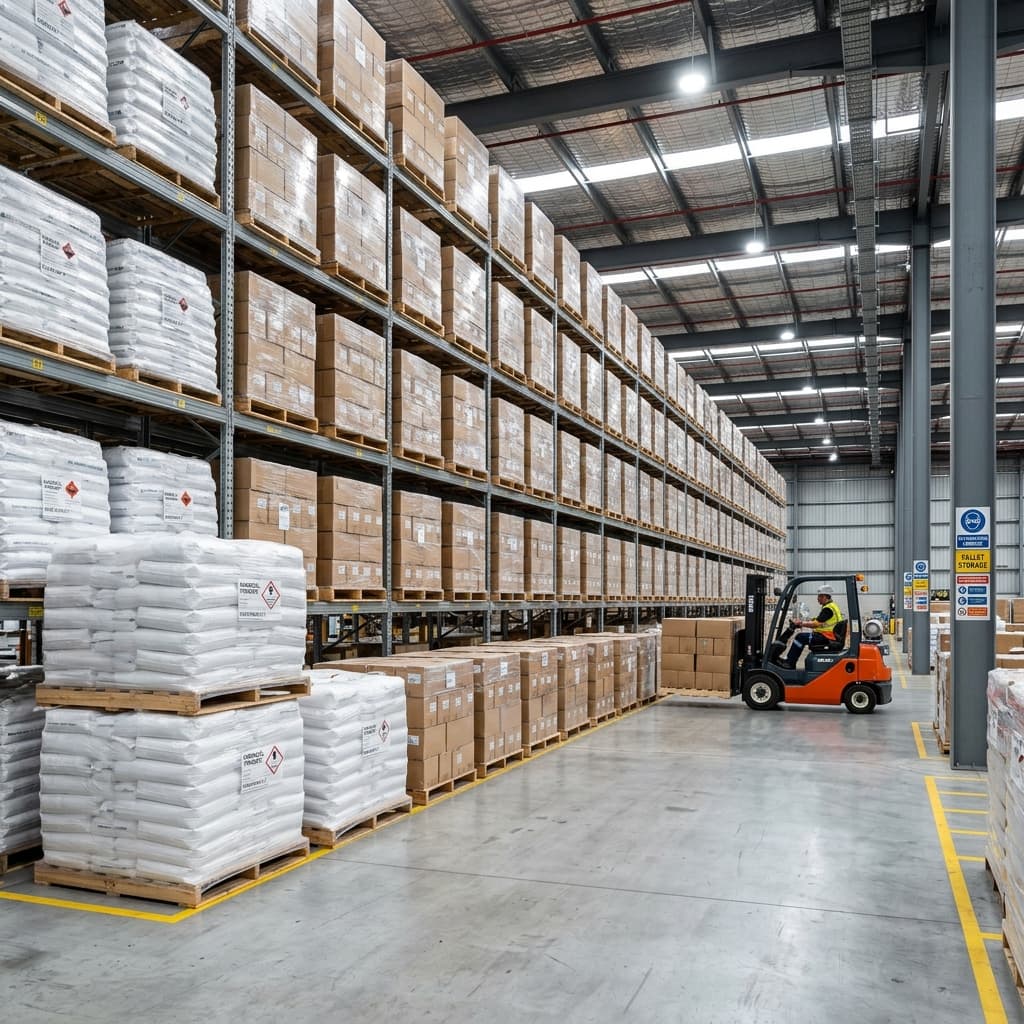
For distributors, wholesale buyers, and export customers, camphor tablets are typically supplied in inner cartons packed in outer master cartons. Standard trade packaging is:
- Retail inner packs: Foil strips of 10–20 tablets, or blister packs
- Inner cartons: 12–24 retail packs per carton (typically 100g–500g net weight)
- Master export cartons: 24–48 inner cartons, 10–20 kg gross weight per master carton
- Bulk: Available in HDPE jars (250g, 500g, 1kg) or PE bags in fiber drums for industrial buyers
- Minimum order quantity (retail packaged): Typically 50–100 master cartons per SKU
- Minimum order quantity (bulk): 100 kg for domestic, 500 kg for export
How to Identify Adulterated Camphor Tablets
Camphor adulteration is unfortunately common in the market, especially in low-price segments. Common adulterants include paraffin wax, naphthalene (toxic and banned for this use), stearic acid, synthetic fragrances, and chalk or talc as fillers. Here's how to identify adulteration:
- The burn test: Drop one tablet on a non-flammable surface and light it. Pure camphor leaves absolutely zero residue. Any residue — white, black, or waxy — indicates added fillers or binders.
- The smell test: Pure camphor has a characteristic, clean camphor smell. Naphthalene (a toxic adulterant sometimes used to mimic camphor) has a distinctly different, more acrid, chemical smell.
- The dissolve test: Dissolve in 99% isopropyl alcohol. Pure camphor dissolves completely; talc, chalk, or inorganic fillers will leave an undissolved residue.
- COA verification: Ask for the batch COA and verify GC purity. Any supplier unwilling to provide COA should be treated with caution.
- Price signal: Camphor tablets priced significantly below market rates are almost always adulterated. Quality raw camphor has a minimum cost floor.
Frequently Asked Questions
What is computer camphor?
Computer camphor refers to camphor tablets manufactured on automated computerized tablet presses that produce highly uniform tablets with consistent weight and dimensions. The term became popular in South India to distinguish machine-pressed uniform tablets from irregularly cut camphor lumps. Computer camphor typically contains 95–98% camphor with 2–5% binder (stearic acid) to enable tablet compression. It is more affordable than 100% pure camphor tablets.
Do camphor tablets expire?
Camphor tablets do not expire in the traditional sense, but they do degrade over time. Camphor is volatile — it slowly sublimes at room temperature, gradually losing weight and potency. Over 2–3 years without sealed packaging, camphor tablets can lose significant weight. For long-term storage, keep in airtight containers away from heat. Camphor that has been stored open will feel lighter and have a weaker fragrance, indicating volatilization loss.
How many camphor tablets are used per aarti?
The number varies by tradition and temple practice. For home puja, 1–2 tablets (0.5g–1g each) per aarti session is typical. For temple aarti in medium-sized temples, 3–5 tablets per session is common. Large temple rituals may use 10–20 grams of camphor per major aarti. The aarti is typically performed 3–5 times daily, so daily camphor consumption can range from a few grams in a home to several hundred grams in a large temple.
Are camphor tablets safe for indoor use?
Burning camphor tablets indoors is safe when done in well-ventilated spaces. The key precautions are: do not burn large quantities in small enclosed rooms, ensure adequate airflow, and keep away from flammable materials and children. People with respiratory conditions like asthma should be cautious. Do not inhale the smoke directly. Camphor tablets should never be ingested — they are toxic if consumed.
What is the shelf life of camphor tablets?
Properly sealed camphor tablets have a shelf life of 3–5 years. In foil strip or sealed blister packaging, this extends to 2–3 years. Open camphor gradually sublimes — smaller tablets lose proportionally more weight over time. Store in a cool, dry place away from direct sunlight and heat. Camphor tablets stored in airtight containers or original sealed packaging maintain their weight and purity for the stated shelf life.
What is the minimum order for wholesale camphor tablets from Kalasam?
For domestic wholesale buyers, the minimum order for Kalasam branded camphor tablets is 50 master cartons per SKU. For private label orders, the minimum is 100 master cartons per branded item. Export orders start at 500 kg per SKU. Pricing is available on request through our sales team, with volume-based discount structures for regular buyers.
Kalasam Product Team
Quality, Manufacturing & Export Divisions