
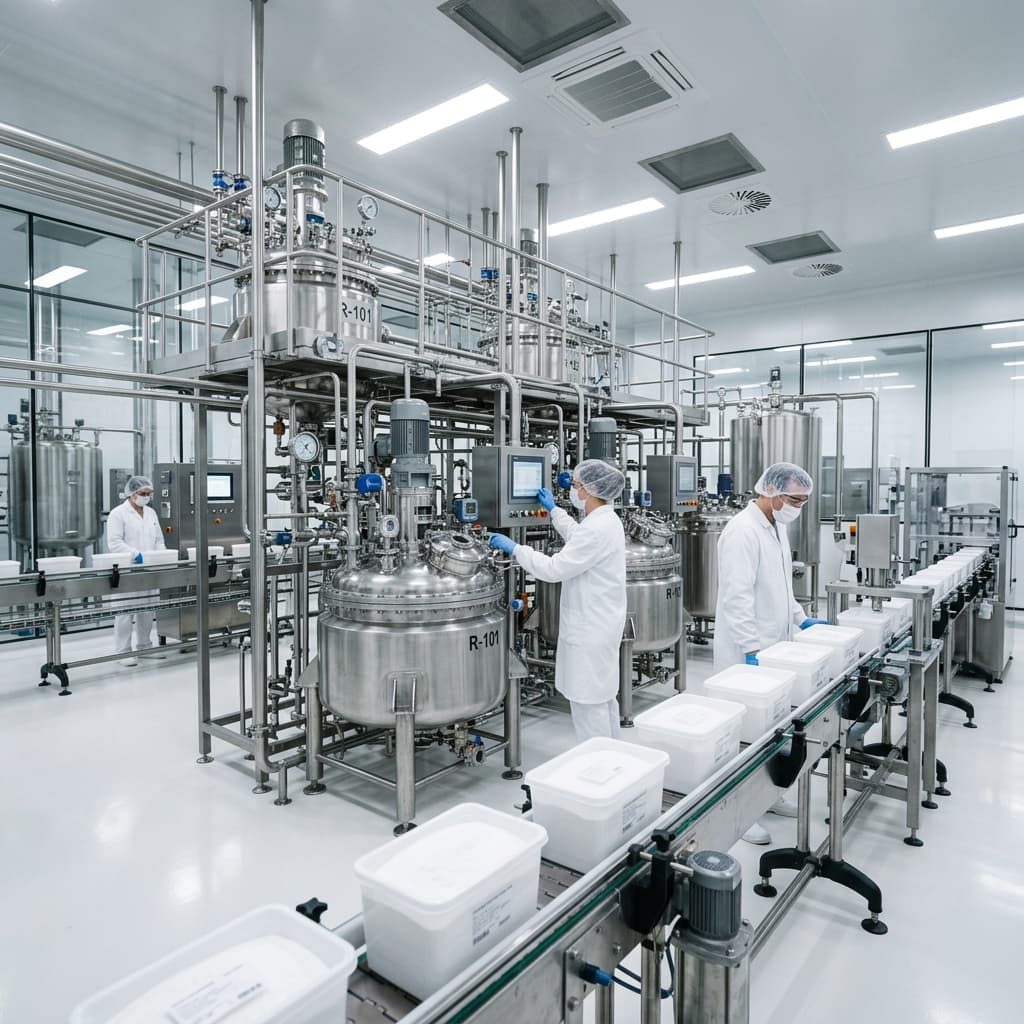
This article provides an in-depth technical analysis and operational overview of energy efficiency in camphor distillation columns. In the chemical manufacturing sector, maintaining consistent quality and purity is the highest priority for both domestic distribution and export markets.
Technical Analysis of Rose Water
When manufacturing Rose Water, physical properties such as melting range, volatility, purity levels, and composition profile dictate final application performance. For pharmaceutical and high-end industrial buyers, verifying these properties via certified laboratory assays is essential.
| Parameter | Specification | Test Method |
|---|---|---|
| Assay Purity | ≥ 99.0% | GC-FID |
| Melting Point | 175 - 180 °C | Capillary Tube |
| Moisture Content | ≤ 0.5% | Karl Fischer |
| Residue on Ignition | ≤ 0.05% | Muffle Furnace |
Production and Supply Chain Operations
Efficient logistics and safety-compliant packaging lines are vital. Products are packaged in moisture-barrier PE bags inside robust fiber drums or UN-approved HDPE containers to prevent sublimation and maintain physical integrity during sea transit to destinations like Kenya.
- Robust incoming raw material inspection (GC validation of feedstock)
- In-process reactor temperature monitoring and control
- Strict batch-wise record logging (BMR traceability)
- Post-purification testing and retained sample archival
Frequently Asked Questions
What is the standard purity specification for Rose Water?
Standard purity is typical NLT 99.0% GC area percentage for premium pharmaceutical applications, and NLT 98.0% for general industrial use. Verification is confirmed by gas chromatography.
How should Rose Water be stored?
Store in a cool, dry, well-ventilated warehouse below 25°C in airtight containers to prevent sublimation loss and moisture absorption.
Useful Resources
Kalasam Technical Team
Quality, Manufacturing & Export Divisions