
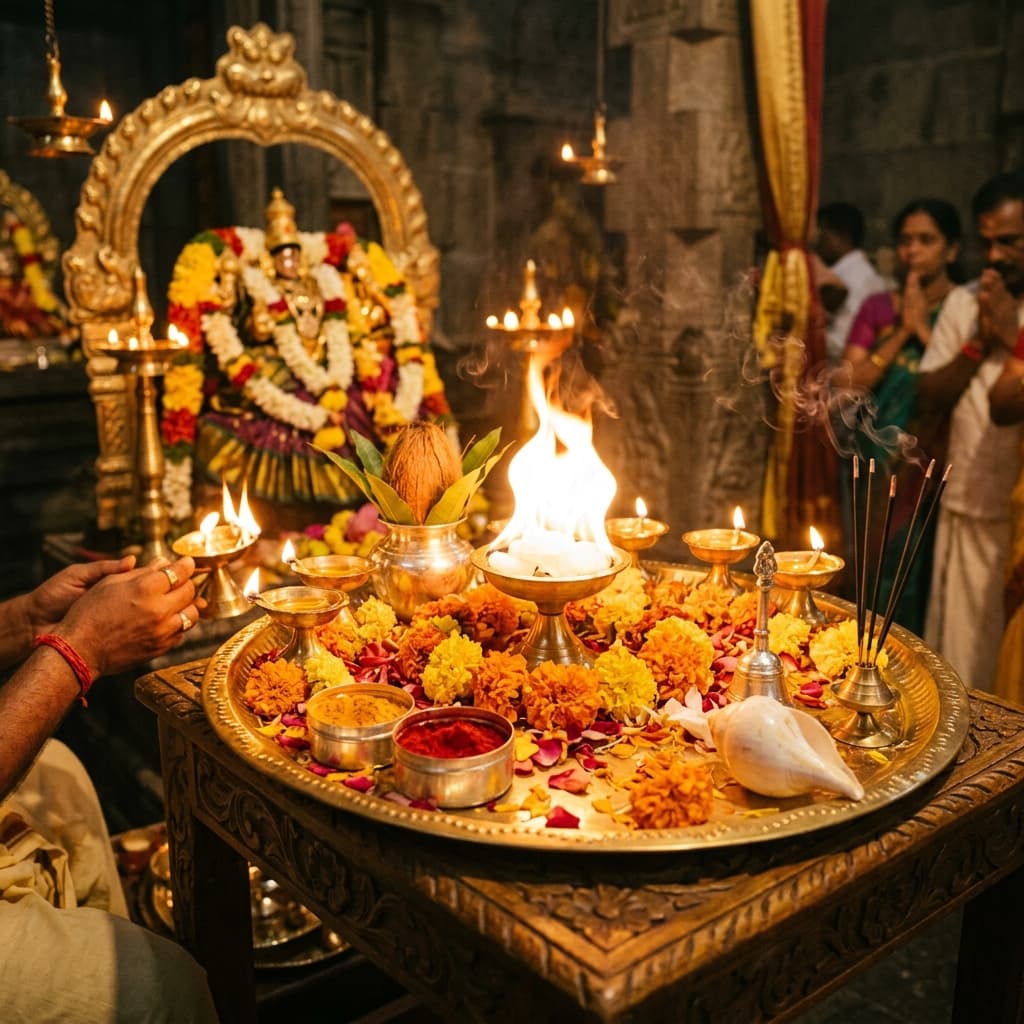
Sambrani — known by many names across India: loban in Hindi, sambrani in Tamil and Telugu, gobli in Kannada, saambrani in Malayalam — is a resinous incense with thousands of years of history across South and Southeast Asian religious traditions. Obtained primarily from Styrax benzoin and related tree species, sambrani's warm, sweet, vanilla-balsamic fragrance has made it a fixture in temples, homes, and sacred ceremonies across the subcontinent.
What Is Sambrani? The Source Material
Sambrani is derived from benzoin resin — the dried sap that oozes from cuts made in the bark of Styrax benzoin trees (native to Java, Sumatra, and parts of South Asia). The fresh resin is pale white; it darkens to amber-brown as it dries and oxidizes. The resin contains benzoic acid, benzyl benzoate, vanillin, and other fragrant compounds that give benzoin its characteristic sweet, warm, balsamic fragrance.
In Indian usage, sambrani refers both to pure benzoin resin and to blended preparations that incorporate benzoin along with other aromatic materials like guggal (Commiphora mukul), camphor, sandalwood powder, and herbal extracts. Pure benzoin resin is burned on coal or in special sambrani cups designed for the purpose.
Types of Sambrani Products
1. Traditional Sambrani Resin (Benzoin Resin Lumps)
Traditional sambrani is pure benzoin resin in its natural lump form — irregular amber chunks that are placed on burning charcoal to release their fragrance. This traditional form is preferred by purists and those who value the authenticity of natural materials. The fragrance is deep, complex, and long-lasting. Available in different qualities based on purity and resin origin.
2. Sambrani Cups (Modern Format)
Sambrani cups are a modern, practical format that has become the dominant product form in today's market. A sambarani cup is a small clay or compressed-material cup containing a pre-mixed blend of benzoin resin, charcoal powder, and aromatic herbs. The cup is placed on a heat-proof surface and lit — the cup itself acts as the fuel and fragrance source, burning steadily for 15–30 minutes without needing a separate charcoal.
3. Computer Sambrani (Compressed Discs/Cones)
Computer sambrani is a machine-compressed form of sambrani in disc, tablet, or cone shape. Like computer camphor, the term "computer" indicates machine production rather than handmade. These are highly uniform in shape and burn characteristics, easy to handle, and have longer shelf life than traditional resin. Computer sambrani is the format of choice for modern retail distribution.
4. Sambrani Powder
Sambrani powder is finely ground benzoin resin blended with other aromatic powders. It is used by sprinkling directly on burning charcoal or incorporated into dhoop (loose incense) preparations. Sambrani powder is the primary ingredient used by agarbathi and dhoop manufacturers to add benzoin character to their products.
Benefits and Uses of Sambrani in Worship
- Space purification: The smoke from benzoin resin is believed to cleanse negative energies and purify the environment for worship
- Attracting positive energy: In Vastu and traditional Indian beliefs, fragrant smoke helps attract positive vibrations and divine presence
- Mosquito and insect repellent: The smoke of burning sambrani has natural insect-repelling properties
- Respiratory benefits: Traditional use includes fumigating sick rooms; benzoin has documented antimicrobial properties
- Stress reduction: The warm, sweet benzoin fragrance has calming, stress-relieving aromatherapy effects
- Festival celebrations: Sambrani is specifically associated with special occasions — weddings, festivals, and auspicious ceremonies
- Sacred ceremonies: Essential in certain Hindu, Jain, and folk religious rituals for specific deities
Manufacturing Process of Sambrani Cups
Sambrani cup manufacturing involves: (1) Benzoin resin is ground to fine powder; (2) Mixed with charcoal powder (acts as combustion aid), joss/tabu powder (binding), aromatic herb powders, and water; (3) The moist paste is pressed into molds (cup-shaped metal or silicone molds) under pressure; (4) Molded cups are dried in tray dryers or sun-dried; (5) Quality inspection and packaging. The fragrance blend is the key IP of each manufacturer — different brands achieve distinctly different fragrance profiles through unique formulation.
Frequently Asked Questions
What is the difference between sambrani and loban?
Sambrani (Tamil/Telugu) and loban (Hindi/Urdu) refer to the same material — benzoin resin from Styrax benzoin trees. The words are regional language variants for the same substance. In some regional usages, loban may specifically refer to a particular grade or preparation of benzoin, while sambrani may be used more broadly to include blended preparations. In commercial practice, both terms are used interchangeably.
How do you use sambrani cups?
To use a sambrani cup: Place the cup on a heat-proof surface (metal plate, ceramic dish, or the traditional mud sambrani stand). Light the top of the cup with a match or lighter — it will take 30–60 seconds to catch properly. Gently blow on it until you see a glowing ember at the top and fragrant smoke rising. The cup will burn slowly for 15–30 minutes, releasing its fragrance. Keep away from flammable materials and children. Do not leave unattended. Once cooled, the residue (ash and charcoal) can be disposed safely.
Is sambrani safe to use indoors?
Sambrani can be used indoors in well-ventilated spaces. The smoke from burning sambrani is significantly denser than camphor vapor, so proper ventilation is important — open a window or ensure airflow in the room. People with asthma, respiratory conditions, or smoke sensitivity should use sambrani with caution. The fragrant smoke is not harmful in typical quantities used in worship, but prolonged exposure to dense smoke in poorly ventilated spaces should be avoided.
What makes quality sambrani different from cheap versions?
Quality sambrani contains a higher proportion of genuine benzoin resin, producing a deep, complex, authentic fragrance. Lower-quality products substitute synthetic fragrance compounds or dilute benzoin heavily with inert fillers, producing a thinner, sometimes harsh or artificial scent. Quality indicators: the fragrance should be warm, sweet, and balsamic — not sharp or chemical; cups should burn evenly without excessive black soot; the fragrance should persist for 15–30 minutes from a cup.
Can sambrani be exported from India?
Yes, sambrani cups and related products are among India's significant pooja product exports, particularly to diaspora markets in USA, UK, UAE, Malaysia, Singapore, and Canada. HS code for sambrani and similar incense preparations: 3307.49 (Other room deodorisers). Kalasam Jaikrishna Industries manufactures sambrani cups for both domestic distribution and export, available in custom packaging under private label or our Kalasam brand.
What is computer sambrani?
Computer sambrani refers to sambrani products manufactured on automated compression machines that produce highly uniform, precisely weighted discs, tablets, or cones. The term "computer" in this Indian manufacturing context indicates machine precision — consistent size, weight, and burning characteristics — as distinct from handmade preparations which have natural variation. Computer sambrani has better shelf life and consistency than traditional handmade preparations.
Kalasam Heritage Team
Quality, Manufacturing & Export Divisions