
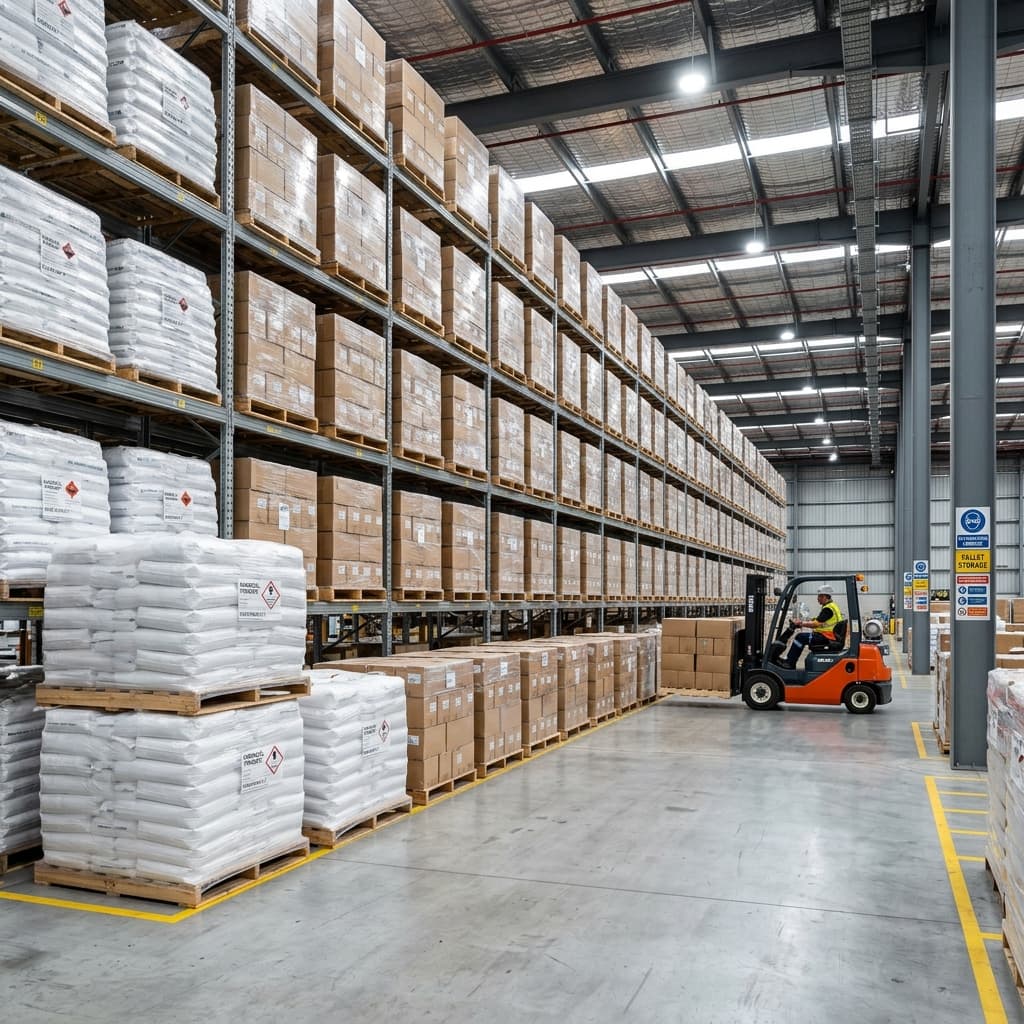
Camphor distribution in India is a stable, growing business driven by one of the most consistent consumer behaviors: daily religious practice. With over 80% of India's 1.4 billion population practicing Hinduism, and with camphor, agarbathi, and pooja products being daily-use items for tens of millions of households, the distribution business for these products offers remarkable demand stability compared to most consumer product categories.
Why Camphor Distribution Is an Attractive Business Opportunity
- Daily repeat purchase: Camphor is a daily consumable — temples and homes repurchase every few days to weeks, creating consistent recurring demand
- Recession-resistant: Religious practice and pooja products spending is relatively insensitive to economic cycles in India
- Growing market: Rising incomes are driving premiumization — consumers are upgrading from economy camphor tablets to premium pure camphor products
- Multi-channel opportunity: Products sell across kirana stores, supermarkets, pooja item specialty shops, temple supply stores, and e-commerce platforms
- Export opportunity: Distributors with international capabilities can serve Indian diaspora markets in USA, UK, UAE, and Canada
- Low spoilage risk: Camphor has a 3–5 year shelf life when stored properly — minimal inventory write-off risk
Types of Distribution Roles in the Camphor Supply Chain
| Role | Territory | Investment Required | Annual Volume |
|---|---|---|---|
| Super Stockist / C&F Agent | State level or multiple districts | ₹15–25 lakhs+ | 50–200 MT/year |
| Distributor | District or major city | ₹5–15 lakhs | 10–50 MT/year |
| Stockist / Sub-Distributor | City zone or taluka | ₹2–5 lakhs | 2–10 MT/year |
| Retailer | Local area | ₹50K–2 lakhs | <2 MT/year |
Requirements to Become a Camphor Distributor
- Business registration: Proprietorship, partnership, or company (PAN and Aadhaar for proprietorship; partnership deed or MCA registration for others)
- GST registration: Mandatory for all commercial distribution activities above threshold
- Storage space: Minimum 200 sq ft for stockist; 1,000+ sq ft for distributor; 5,000+ sq ft for super stockist. Dry, ventilated storage away from heat and ignition sources (camphor is flammable)
- Transport capability: Own vehicle or reliable third-party logistics for last-mile delivery
- Financial capability: Working capital for initial inventory purchase and credit extended to retailers
- Market knowledge: Familiarity with the distribution territory, existing retail relationships
- Basic commercial infrastructure: Computer/smartphone, printer, basic accounting capability
Margin Structure in Camphor Distribution
Camphor distribution margins vary by level in the supply chain and by product type. Premium branded products offer better margins than commodity bulk camphor. Indicative margin structures (percentage of MRP):
- Manufacturer to C&F/Super Stockist: Approximately 5–10% margin
- C&F to Distributor: Approximately 6–10% margin
- Distributor to Retailer: Approximately 10–15% margin
- Retailer to Consumer: Approximately 20–30% margin on MRP
- Combined distributor margin (if bypassing C&F level): Approximately 15–20%
- Premium products (pure camphor, organic agarbathi): Higher margins across all levels — 20–40% retail margin
How to Apply for Kalasam Jaikrishna Industries Distributorship
Kalasam Jaikrishna Industries is expanding its authorized distributor network across India. Our distribution program offers: branded product range with strong consumer recognition, competitive margins, marketing support materials, co-branded promotional support, and a dedicated sales support team.
- Step 1: Submit the Distributor Enquiry Form through our website contact page, providing business details, proposed territory, investment capability, and existing distribution experience
- Step 2: Our regional sales manager will review your application and schedule a discussion call
- Step 3: Territory availability assessment — we map your proposed territory against our existing network
- Step 4: Meeting and factory visit (optional but recommended) to understand our product range and quality standards
- Step 5: Agreement execution and security deposit (refundable) collection
- Step 6: Initial inventory stocking and sales training
- Step 7: Launch with our marketing support (display materials, local advertising support)
Frequently Asked Questions
How much investment is required to become a camphor distributor?
Investment requirements depend on the level of distributorship: Stockist level (city zone): ₹2–5 lakhs (inventory + storage setup + security deposit). Distributor level (district): ₹5–15 lakhs. Super Stockist level (state or major zone): ₹15–25 lakhs. Investment covers initial inventory, storage infrastructure, transport, and working capital for retailer credit. Contact Kalasam's sales team for specific investment requirements for the territory you are interested in.
What is the profit margin for a camphor distributor?
A Kalasam authorized distributor can expect a combined margin of 12–18% on sales to retailers, depending on product mix. Higher-margin products like pure camphor tablets and premium agarbathi offer better returns than bulk commodity camphor. With monthly sales of 5 MT, a distributor can generate gross margins of ₹60,000–₹1.5 lakhs before operating costs. Profitability depends on territory potential, operating efficiency, and product mix.
Is camphor distributorship a licensed business?
Camphor distribution does not require a specific government license beyond standard business registrations. Required registrations are: GST registration, Shop and Establishment license from local municipality, and trade license (in some states). No specific chemical distribution license is required for camphor, which is classified as a general commodity. For export, an IEC (Import Export Code) is required.
Is camphor storage at the distributor level safe?
Camphor is classified as a flammable solid and requires appropriate storage precautions. Key requirements: store in a dry, cool, well-ventilated warehouse away from direct sunlight and heat sources; maintain distance from flammable materials; no smoking or open flames in the storage area; proper electrical installation (no exposed wiring); fire extinguisher available. Standard warehouse conditions (ambient temperature, good ventilation) are adequate — camphor does not require cold storage or expensive specialized storage.
What marketing support does Kalasam provide to distributors?
Kalasam Jaikrishna Industries provides authorized distributors with: branded point-of-sale display materials (shelf talkers, posters, standees), product training for the distributor team, co-op advertising support in defined markets, digital marketing assets for social media promotion, and access to our product catalog and marketing materials. We work closely with distributors during the initial launch period to establish market presence in new territories.
Can I also distribute other brands alongside Kalasam products?
Distributors are generally permitted to handle complementary non-competing products alongside Kalasam products. However, direct competitive products (other camphor tablet brands) may be subject to exclusivity provisions in the distributorship agreement. The specific terms are discussed and agreed in the distribution agreement. Multi-brand distribution is common in the pooja products space, and we work constructively with distributors to ensure a viable and profitable business model.
Kalasam Sales Team
Quality, Manufacturing & Export Divisions